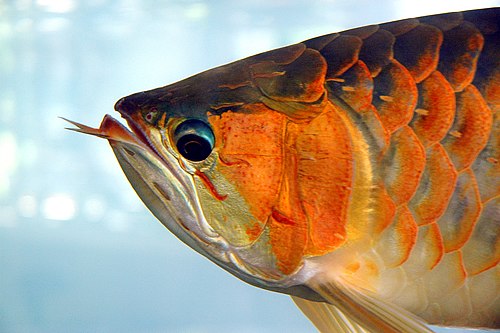
Geophagus
Geophagus sp.

Min Tank Size
300L
Adult Size
25.4 cm
Lifespan
10 years
About
Hailing from the slow-moving rivers and flooded forests of South America, Geophagus cichlids are fascinating fish built around a single obsession: eating mouthfuls of substrate and filtering out food through their gills. That behavior is where the common name 'eartheater' comes from, and watching them do it is genuinely mesmerizing. Popular species in the hobby include G. sveni, G. tapajos 'Red Head,' and G. winemilleri, each bringing slightly different coloration but similar care requirements.
Adults typically reach around 20 to 25 centimeters depending on species and sex, with males often running larger. Coloration can be quite striking in mature fish, with iridescent scales, red or orange facial markings, and extended fin filaments on some species.
Soft, warm water is what they want. 0 for most species, and very soft water if you're keeping the more sensitive Amazonian variants. Hard alkaline water stresses them out over time. Diet is easy enough, they'll accept quality sinking pellets, frozen bloodworms, daphnia, and cyclops. They don't need live food, but variety keeps their color up.
For tankmates and tank size, think big. A group of five or six needs at least 300 liters, more if you're adding other large cichlids. They're considered peaceful for cichlids, but breeding pairs are a different story.
Check out community build threads featuring this species to get a real sense of how they're typically set up.
Water Parameters
Temperature
°CpH
GH
dGHKH
dKHSwimming Level
Flow Preference
Keeping multiple Geophagus together
Geophagus is mildly territorial. Small groups can work in spacious tanks with broken sightlines, but expect occasional squabbles.
Compatibility
Geophagus work well alongside other peaceful to semi-aggressive South American fish of similar size. Large tetras like bleeding hearts or colombian reds make great dither fish and help Geophagus feel secure. Severums are a popular and proven pairing. Smaller eartheaters like Satanoperca species can coexist given enough space. Avoid keeping them with overly aggressive cichlids like large Amphilophus species, which will bully them. Shrimp will be eaten, full stop. Bottom-dwelling catfish like large Ancistrus or Loricaria species share the substrate peacefully in most cases. Corydoras can be risky with very large specimens.
Commonly kept with
Species this one is most often paired withCommonly tried but avoid
Often paired, but shouldn't beCare Notes
The most common beginner mistake is using gravel or coarse substrate. Sand isn't just preferred, it's necessary. Geophagus scoop and filter substrate constantly, and sharp or rough particles damage their delicate gill rakers over time. Filtration needs to handle significant bioload since they're constantly stirring up detritus. Canister filters are the go-to. Water changes need to be consistent, soft-water species are sensitive to dissolved waste buildup. Many people also underestimate adult size and end up cramped, plan for 25 centimeters per fish minimum.
Behavior & Aggression
Geophagus are genuinely mild-mannered by cichlid standards in most situations. The aggression that does show up is almost always tied to breeding. A pair guarding eggs or fry will actively chase other fish out of their territory, including other Geophagus. Keeping a group of five or more distributes that aggression and prevents any single fish from getting relentlessly targeted. Occasional lip-locking between males happens but rarely results in injury. They don't typically harass unrelated species unless those species crowd their spawning site.
Things to Know
- Sand substrate is non-negotiable, gravel causes gill damage over time.
- Groups of 5+ reduce individual aggression during breeding periods.
- Breeding pairs become territorial and may harass tankmates.
- High bioload requires strong filtration despite calm appearance.
- Requires a fine sand substrate for natural sifting behavior.
Community Sightings
No builds featuring this species yet.
Be the first to feature Geophagus in your build →Discover Tanks
Explore more builds from the community.


Explore More Species
More species to discover.