Severum
Heros severus
Min Tank Size
280L
Adult Size
20.3 cm
Lifespan
10 years
About
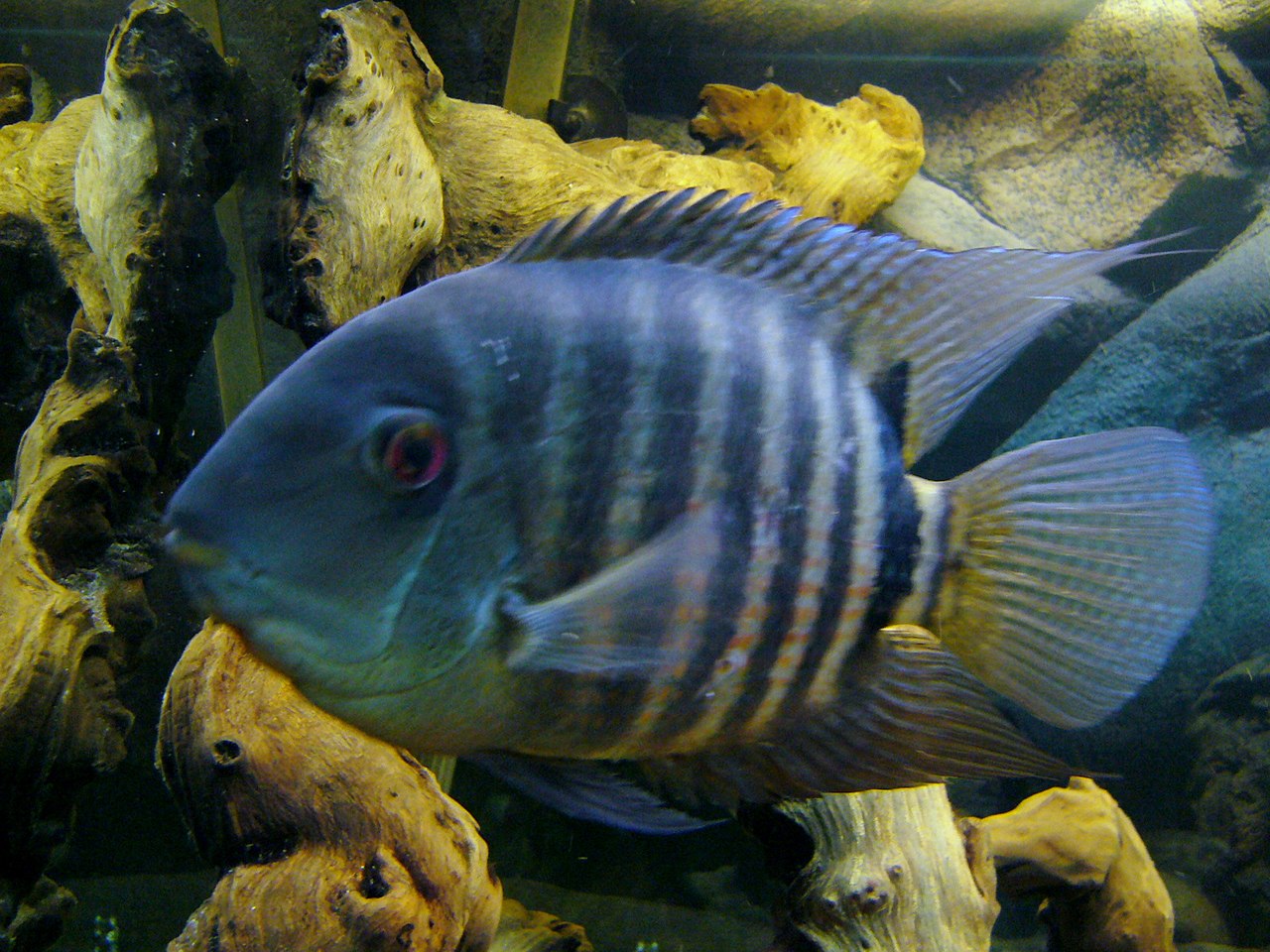
Hailing from the blackwater rivers of South America, particularly the Orinoco and Amazon basins, severums are chunky, laterally compressed cichlids that carry themselves with a quiet dignity most fishkeepers find irresistible. The disc-shaped body and subtle iridescence across their scales genuinely does evoke a budget discus, and that comparison has stuck for decades. Color varieties have expanded well beyond the wild-type green form. Gold, red, and rotkeil severums are all widely available, with the rotkeil being especially striking thanks to its red-splashed face and fins against a green body. Adults reach a genuine 20cm in a home aquarium, which surprises people who bought a 5cm juvenile from a pet store without doing their homework.
Water parameters are forgiving by South American cichlid standards. They'll do fine anywhere from pH 6.0 to 7.5, and they don't demand the ultra-soft conditions that discus require. Temperature can range from about 23 to 30 degrees Celsius, making them compatible with a wider range of tankmates. Filtration needs to be robust given their size and appetite. Weekly water changes of 30 to 40 percent are non-negotiable.
Diet is broad. They'll eat quality cichlid pellets, spirulina-based foods, frozen bloodworms, chopped earthworms, blanched vegetables, and occasional live foods. Feeding variety keeps them healthy and reduces plant nibbling.
Temperament is peaceful by cichlid standards most of the time, but breeding pairs rewrite the rules entirely. Browse actual tank builds featuring this species and you'll see how good aquascaping choices can make sharing a large community setup with severums genuinely achievable.
Water Parameters
Temperature
°CpH
GH
dGHKH
dKHSwimming Level
Flow Preference
Keeping multiple Severum together
Severum is mildly territorial. Small groups can work in spacious tanks with broken sightlines, but expect occasional squabbles.
Compatibility
Good tankmates are fish large enough not to be eaten but not so aggressive they push severums around. Larger tetras like Buenos Aires or Congo tetras work well. Giant gourami, geophagus species, and peaceful medium-large catfish like plecos and pictus cats are commonly kept with them. Avoid small tetras, neon-sized fish, and any shrimp. Avoid highly aggressive cichlids like red devils or flowerhorns. Oscar tankmates are hit or miss and depend entirely on individual personalities. A 400-liter or larger tank dramatically improves cohabitation odds. In a 280-liter tank, a single severum or a confirmed pair with minimal competition is the safer route.
Commonly kept with
Species this one is most often paired withCommonly tried but avoid
Often paired, but shouldn't beCare Notes
The biggest beginner mistake is underestimating adult size and skimping on tank volume. A severum in a 150-liter tank will show stress behaviors, stunted growth, and shortened lifespan. The second mistake is planting the tank heavily with soft-leaved plants and expecting them to survive. Java fern, anubias, and other tough species anchored to hardscape hold up reasonably well. Floating plants can work too. Skipping regular water changes is where things go wrong fast given their bioload. Strong, cycled filtration and consistent maintenance are the baseline requirements, not optional extras.
Behavior & Aggression
Severums are usually one of the more restrained large cichlids, but don't let that fool you into treating them as peaceful fish. The main aggression triggers are spawning behavior and territory around a claimed cave or flat surface. A bonded pair will harass and sometimes kill tankmates they previously ignored. Same-species aggression can also be an issue in smaller tanks, especially between two males. Aggression is usually slow escalation rather than sudden explosions, which at least gives you time to rearrange decor or separate fish before things get fatal.
Things to Know
- Pairs bond strongly and can become aggressive to tankmates when breeding
- Plant eating increases significantly at breeding time or when underfed
- Grows much larger than many stores imply, often 18-20cm in captivity
- Will eat any shrimp or small fish it can fit in its mouth
Community Sightings
No builds featuring this species yet.
Be the first to feature Severum in your build →Discover Tanks
Explore more builds from the community.


Explore More Species
More species to discover.


