Betta
Betta splendens
Min Tank Size
19L
Adult Size
7.5 cm
Lifespan
3 years
About
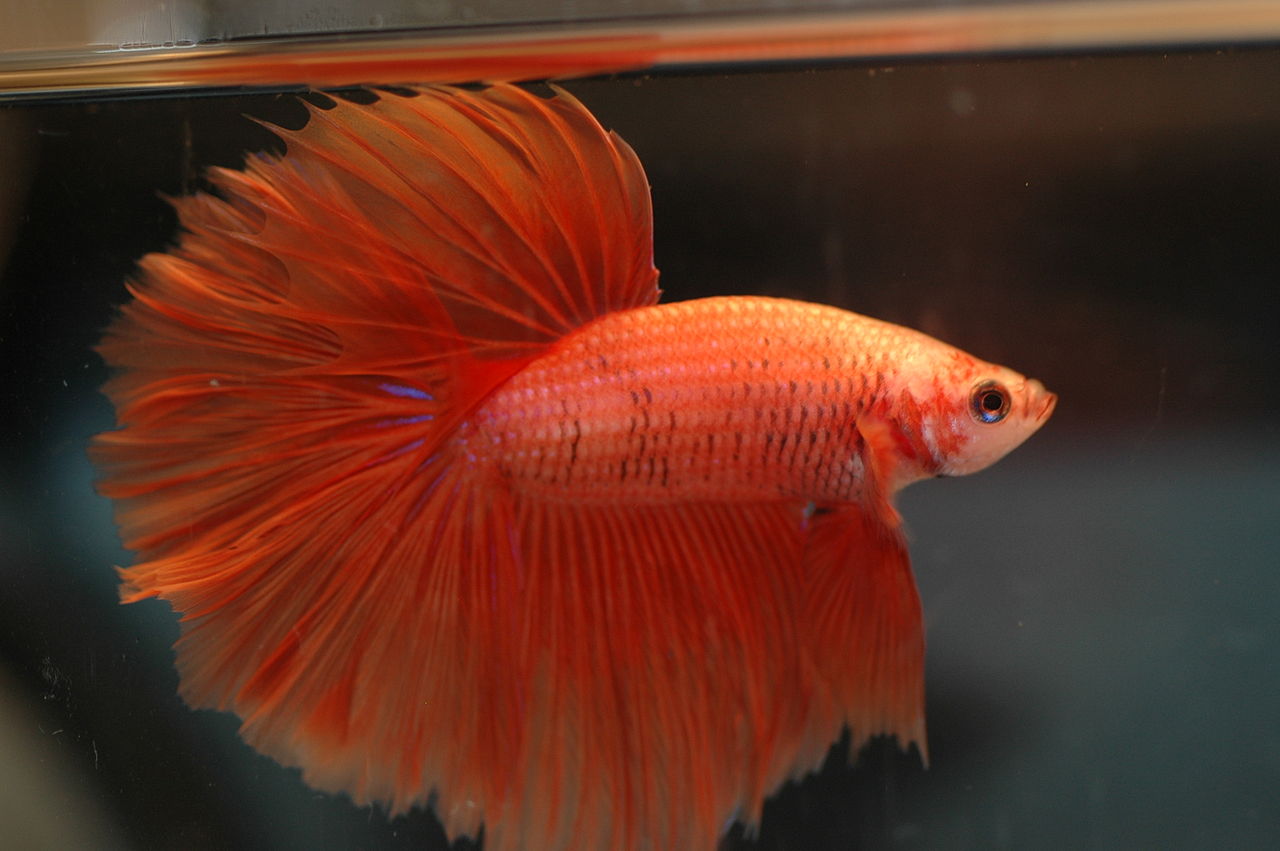
Native to the shallow rice paddies, floodplains, and slow streams of Southeast Asia, bettas have been selectively bred for centuries into one of the most visually striking fish in the hobby. Males carry flowing fins in an almost absurd range of colors and tail types: Halfmoon, Crowntail, Plakat, Veiltail, Double Tail, and Dumbo ear variants are just the beginning. Wild-type fish look nothing like what you'll find at the pet store, but share the same bold, curious personality that makes the species so compelling.
Water should be warm, soft to moderately hard, and slightly acidic to neutral. They absolutely cannot handle cold, and a tank without a heater is one of the most common reasons bettas die young. Flow should be minimal since their large fins make swimming against current exhausting, and they need regular access to the surface to breathe through their labyrinth organ.
Diet is straightforward as long as you respect their carnivore nature. High-protein pellets formulated for bettas, supplemented with frozen or live foods like bloodworms, daphnia, and brine shrimp, keep them in peak condition. Overfeeding is easy to do and leads to bloat, constipation, and poor water quality.
A planted tank genuinely suits them. Dense vegetation gives them places to rest near the surface, explore, and retreat. Many keepers use bettas as centerpiece fish in heavily planted nano setups, and for good reason. If you want to see what a well-executed betta tank looks like, browse community builds featuring this species.
Water Parameters
Temperature
°CpH
GH
dGHKH
dKHSwimming Level
Flow Preference
Keeping multiple Betta together
Betta is strongly territorial. Multiples fight over space unless the tank is large enough for each to claim its own area. A single individual is the safer default.
Compatibility
Choosing tankmates for a betta requires thinking about fin profile and temperament of both parties. Good choices include small, fast, short-finned schooling fish like ember tetras, harlequin rasboras, or celestial pearl danios. Corydoras work well as bottom dwellers since they largely ignore each other. Avoid tiger barbs, serpae tetras, and any confirmed fin nippers since long-finned bettas are easy targets. Snails are generally tolerated but some individuals attack mystery snails or nerites unpredictably. Shrimp coexistence is highly individual, small neocaridina shrimp often get eaten, but larger amano shrimp fare better. No second male betta, ever.
Commonly kept with
Species this one is most often paired withCommonly tried but avoid
Often paired, but shouldn't beCare Notes
The most common beginner mistake is housing a betta in an unheated bowl or vase. They need a heater, a filter with low flow, and a lid since they jump more than people expect. Bettas sold in cups at stores are often already stressed and may show fin damage or disease on arrival. Constipation from overfeeding is extremely common. Feed small amounts every day or two rather than large daily portions. Weekly partial water changes matter more than most people realize in small tanks. A betta that sits on the bottom and refuses food is usually sick, not lazy.
Behavior & Aggression
Aggression in bettas is primarily triggered by the presence of other males or fish with similar silhouettes and coloration. Two males together will almost always escalate to serious injury or death, no exceptions. Even reflections in glass can cause prolonged stress flaring. Females can be aggressive toward each other and occasionally toward other tank inhabitants. The most common targets are fish with long, flowing fins such as guppies or angelfish, which a betta may perceive as rivals. Providing dense planting and clear sightline breaks reduces ambient stress significantly.
Things to Know
- Males must be kept singly, they will fight to the death
- Long-finned varieties are highly vulnerable to fin nippers
- Labyrinth organ requires access to humid surface air
- Males will flare and stress at their own reflection for extended periods
- Female bettas can coexist in groups of 5+ but watch for hierarchy aggression
Community Sightings
No builds featuring this species yet.
Be the first to feature Betta in your build →Discover Tanks
Explore more builds from the community.


Explore More Species
More species to discover.