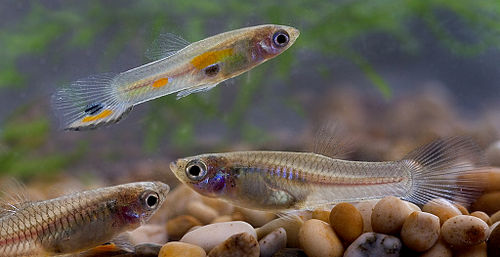
Lamprologus Ocellatus
Neolamprologus ocellatus

Min Tank Size
60L
Adult Size
5 cm
Lifespan
5 years
About
Native to the sandy shallows of Lake Tanganyika, this tiny cichlid is one of the most fascinating little fish you can keep. Males top out around 5 cm, females smaller still, but don't let the size fool you. They carry themselves like fish that own the place, because as far as they're concerned, they do.
They're named for their habit of claiming empty snail shells, specifically the large Neothauma tanganyicense shells from the lake, and their whole life revolves around those shells. Each fish picks one, defends it aggressively, uses it as a refuge, and raises fry inside it. In a tank you can use empty escargot shells or similar large gastropod shells, and watching them haul shells around, rearrange sand, and disappear headfirst into a shell when startled is endlessly entertaining.
Water chemistry matters here. Tanganyikan fish need hard, alkaline water, ideally pH between 7.8 and 9.0 with high GH and KH. Soft or acidic water will stress them out over time even if they look fine initially. Temperature sits comfortably in the mid-20s Celsius. Diet is simple, they'll take quality small pellets and frozen foods like daphnia, cyclops, or brine shrimp readily.
Because of their small footprint and minimal bioload, a species-specific tank of around 60 liters works well for a colony of one male and two or three females. Sand substrate is non-negotiable since they dig, sift, and bury their shells constantly. A bare bottom or gravel tank stresses them and disrupts their natural behavior entirely.
If you want to see a thriving colony in a real keeper's setup, browse the Shimmerscape community builds tagged with this species for inspiration on layout and shell placement.
Water Parameters
Temperature
°CpH
GH
dGHKH
dKHSwimming Level
Flow Preference
Keeping multiple Lamprologus Ocellatus together
Lamprologus Ocellatus is strongly territorial. Multiples fight over space unless the tank is large enough for each to claim its own area. A single individual is the safer default.
Compatibility
Best kept as a species-only colony or with other Tanganyikan fish that occupy very different niches. Upper-water swimmers like Cyprichromis or small Paracyprichromis work well because they stay out of the shell zone entirely. Avoid other shell-dwelling or bottom-oriented cichlids in smaller tanks since territorial overlap causes serious fights. They'll eat small shrimp and snails, so don't combine them with dwarf shrimp or nerite snails. Fish too large may eat them, fish too similar in niche will trigger constant aggression. Julies and small Altolamprologus are sometimes kept alongside them in larger, well-decorated Tanganyika setups with good results.
Commonly kept with
Species this one is most often paired withCommonly tried but avoid
Often paired, but shouldn't beCare Notes
The most common mistake is keeping them in the wrong water. Soft or acidic tap water without buffering will slowly weaken them even if they survive short term. Crushed coral or aragonite substrate, or a small bag in the filter, keeps pH and hardness stable without much effort. The second mistake is skimping on shells. Every fish needs its own shell, plus extras. Too few shells and the aggression escalates fast. Fine sand as substrate is critical since they dig constantly, coarse gravel prevents natural behavior and causes stress. They're otherwise hardy and adaptable once the water chemistry is right.
Behavior & Aggression
Ocellatus are peaceful toward unrelated fish that stay out of their zone, but intensely territorial around their shell and the immediate sand around it. Males are especially bold and will confront fish several times their size if they stray too close. Within a colony, males will fight males, and a single male will sometimes fixate on and harass a female relentlessly, especially in small tanks. Providing multiple shells spread across the tank and a bit of line-of-sight blocking helps distribute aggression. Breeding pairs become even more aggressive toward tankmates when guarding fry.
Things to Know
- Each fish needs its own shell or territory disputes turn violent.
- Males are significantly larger than females and may harass or kill them.
- Keep 1 male to 2-3 females to spread aggression in a colony setup.
- Will eat snails and small shrimp, do not combine with dwarf shrimp.
- Pairs breed readily in captivity, expect fry frequently.
Community Sightings
No builds featuring this species yet.
Be the first to feature Lamprologus Ocellatus in your build →Discover Tanks
Explore more builds from the community.


Explore More Species
More species to discover.