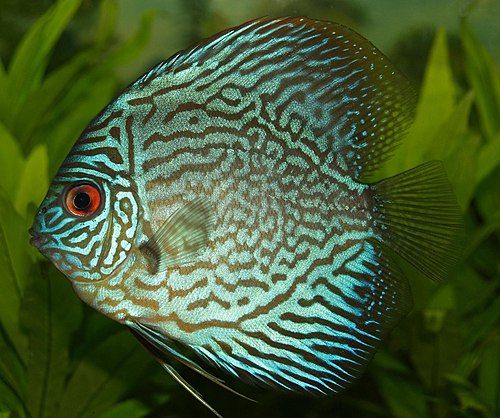
Altolamprologus Calvus
Altolamprologus calvus

Min Tank Size
200L
Adult Size
13 cm
Lifespan
10 years
About
From the rocky shorelines of Lake Tanganyika comes one of the most bizarre-looking cichlids in the hobby. Altolamprologus calvus has a body so laterally compressed it looks almost two-dimensional from the front, with a pronounced steep forehead, a small but powerful mouth, and striking vertical banding that varies depending on which population or color form you have. Black calvus and white calvus are the most common variants, and both have that same ghostly, almost prehistoric appearance.
They come from hard, alkaline water and that's non-negotiable in captivity. 0 range with high hardness is where they thrive, and trying to keep them in softer water leads to slow decline.
They're methodical hunters that use their flat profile to wedge into rock crevices and extract small fish and invertebrates, which means rocky aquascapes aren't just decoration but a functional part of their behavior. Diet in captivity should lean heavily on meaty foods like frozen bloodworms, mysis shrimp, and small live foods. They're slow to accept dry food but not impossible to train.
Growth is legendarily slow. A juvenile that looks barely 4 cm at purchase might take two or more years to approach adult size, which catches a lot of beginners off guard. The payoff is a long-lived, deeply interesting fish that becomes a real centerpiece over time. Patient fishkeepers who enjoy watching a methodical predator stalk its environment will find calvus endlessly fascinating.
Water Parameters
Temperature
°CpH
GH
dGHKH
dKHSwimming Level
Flow Preference
Keeping multiple Altolamprologus Calvus together
Altolamprologus Calvus is strongly territorial. Multiples fight over space unless the tank is large enough for each to claim its own area. A single individual is the safer default.
Compatibility
Calvus pair well with other Lake Tanganyika species that occupy different niches. Lamprologus ocellatus and other shelldwellers work well because they're too fast and use shells as refuge. Julidiochromis species are a classic pairing, as are Cyprichromis in larger setups for open-water movement. Featherfin synodontis catfish from the same lake are a common and effective combo. Avoid any fish small enough to be eaten, so most tetras, rasboras, and small livebearers are off the table entirely. Also avoid other Altolamprologus species unless you have a very large tank with clearly divided territories.
Commonly kept with
Species this one is most often paired withCommonly tried but avoid
Often paired, but shouldn't beCare Notes
The most common mistake is impatience. Beginners buy juveniles, don't see them grow for months, and assume something is wrong. Nothing is wrong, this fish just grows very slowly. The second mistake is underfeeding, calvus need regular meaty meals and won't compete well for food with faster tankmates. Water quality matters a lot, stable high pH and hardness are critical. Letting parameters drift toward neutral will stress them over time. Finally, don't expect a constantly active showpiece. Calvus are ambush hunters that spend long periods motionless near rock structure. That stillness is normal behavior, not illness.
Behavior & Aggression
Calvus aren't aggressive in the conventional sense, they won't chase tankmates around or nip fins. Their aggression is territorial and aimed at defending a cave or crevice they've claimed, particularly during spawning. The real danger is their predatory instinct. Any fish small enough to be swallowed will eventually disappear. Conspecific aggression between males is serious, and even bonded pairs can turn on each other if the tank doesn't have enough space and structure for the female to escape. Adding multiple calvus without adequate territory nearly always ends badly.
Things to Know
- Extremely slow-growing, juveniles may look stunted for months but this is normal.
- Will eat any fish or shrimp small enough to fit in its mouth.
- Pair bonds can be fragile, male may kill female if tank is too small.
- Requires rocky caves and crevices or it rarely settles in and may refuse food.
- Do not mix with similarly shaped Compressiceps, territorial conflicts are intense.
Community Sightings
No builds featuring this species yet.
Be the first to feature Altolamprologus Calvus in your build →Discover Tanks
Explore more builds from the community.


Explore More Species
More species to discover.