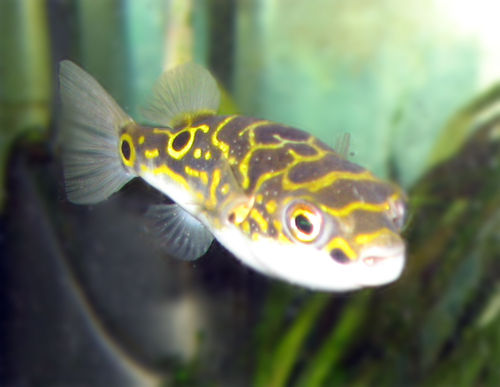
Neolamprologus Similis
Neolamprologus similis

Min Tank Size
40L
Adult Size
3.5 cm
Lifespan
5 years
About
Endemic to the sandy shallows of Lake Tanganyika, Neolamprologus similis is one of the smaller shell-dwelling cichlids and a genuine gem for nano Tanganyika setups. Fine, dark vertical bars run across a pale silver-grey body, giving it a crisper, more defined look than its close relative N. multifasciatus. Adults max out around 3.5 cm, making them genuinely suited to smaller footprints in a way most cichlids simply aren't.
Hard, alkaline water is non-negotiable. These fish come from one of the world's most chemically stable lakes, and they don't tolerate soft or acidic conditions. A pH between 7.8 and 9.0, generous hardness, and consistent temperature in the mid-twenties will keep them thriving. Sand substrate is essential, not decorative. They sift, burrow, and rearrange it constantly. Shells, ideally Neothauma tanganyicense or equivalent small snail shells, should be scattered generously across the floor with more shells available than fish.
Diet is straightforward. They eagerly accept high-quality micro pellets, frozen cyclops, daphnia, and baby brine shrimp. Variety keeps them in top breeding condition, which you'll likely see often once a colony settles in.
The social dynamics are what make this species genuinely captivating. Pairs form bonds, defend their shells fiercely, and raise fry in small family clusters. Watching a male dart between two shells while a female guards a clutch inside is a highlight of keeping this species. They don't use much of the water column, but what they do in that bottom layer is endlessly interesting.
If you want to see a functioning Tanganyika shell colony in a compact tank, real-world builds featuring this species are worth browsing for shell arrangement and ratio inspiration.
Water Parameters
Temperature
°CpH
GH
dGHKH
dKHSwimming Level
Flow Preference
Keeping multiple Neolamprologus Similis together
Best kept as a species-only shell-dwelling colony; tankmates require very large tanks and careful planning.
Compatibility
Best kept as a species-only colony or in a Tanganyika biotope with carefully chosen upper-level tankmates that stay clear of the bottom. Small schooling fish like cyprichromis work well in larger setups because they occupy open water and don't threaten shell territory. Avoid any substrate-dwelling species, including other shell dwellers, catfish, or gobies, as they'll be harassed relentlessly. Shrimp will be eaten. Snails small enough to fit in a shell may be evicted or consumed. In tanks under 60 liters, species-only is the safest approach.
Commonly kept with
Species this one is most often paired withCommonly tried but avoid
Often paired, but shouldn't beCare Notes
The most common mistake is not providing enough shells. A ratio of at least two shells per fish is a starting point, more is better. Second is the substrate: coarse gravel or bare bottom tanks cause stress and suppress natural behavior entirely. Water chemistry neglect is a fast failure mode since these fish don't slowly decline in soft water, they crash. Cycling the tank fully before adding fish and avoiding any sudden pH swings matter more here than with more forgiving species.
Behavior & Aggression
Similis punch well above their weight when defending a claimed shell. Most aggression is directed at anything that ventures too close to occupied territory, including conspecifics, other bottom dwellers, and even their own mate during spawning. Males are particularly combative with rival males. Spreading shells widely across the substrate and keeping the colony in a tank with sufficient footprint reduces escalation significantly. A narrow, crowded shell cluster is a recipe for constant harassment.
Things to Know
- Colony needs more shells than fish, spread shells across the tank floor
- Highly territorial around claimed shells, can bully smaller tankmates
- Males will fight if multiple claim overlapping territories
- Prolific breeders, colony size can grow fast in a well-maintained tank
Community Sightings
No builds featuring this species yet.
Be the first to feature Neolamprologus Similis in your build →Discover Tanks
Explore more builds from the community.


Explore More Species
More species to discover.