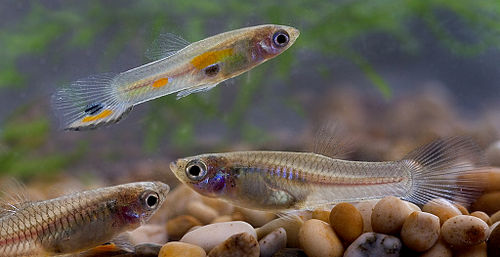
Shell Dweller (Multis)
Neolamprologus multifasciatus

Min Tank Size
40L
Adult Size
4.5 cm
Lifespan
5 years
About
Hailing from the sandy shell beds of Lake Tanganyika, Neolamprologus multifasciatus holds the title of one of the world's smallest cichlids. 5 cm, females even smaller at barely 3 cm. Don't let the size fool you. These fish are full-blown cichlids in miniature, with all the attitude and social complexity that implies. Their coloration is subtle but pretty, pale tan to cream with thin dark vertical bands running down the body, and they have those characteristic Tanganyikan eyes that always look like they're evaluating you.
Setting up for multis means getting the water right first. 8, with significant hardness. Many tap water sources in areas with naturally hard water are already suitable. The other non-negotiable is shells. Lots of them. Nerite shells or the larger escargot-style shells are popular choices, and you want far more than you think you need. A group of six fish might use twenty shells. Fine sand goes underneath so they can dig and bury and rearrange to their liking.
Diet is straightforward: high-quality micro-sized pellets, frozen cyclops, baby brine shrimp, and daphnia. They're active hunters and will accept most small meaty foods.
What really makes multis special is watching a colony develop. They form genuine hierarchies, cooperate in raising fry, and you'll see behaviors from dominant males that are just endlessly interesting. Check out colony build threads to see what a thriving multi setup looks like in practice.
Water Parameters
Temperature
°CpH
GH
dGHKH
dKHSwimming Level
Flow Preference
Keeping multiple Shell Dweller (Multis) together
Most keepers run a species-only colony; it simplifies water chemistry and lets the fascinating social behavior take center stage.
Compatibility
Realistically, multis work best as the only bottom dwellers in the tank. They'll attack anything that gets close to their shells, including snails, shrimp, and small bottom-cruising fish. Tankmates need to stay in the upper water column and be able to tolerate hard alkaline water. Good options include Tanganyikan sardines like Paracyprichromis nigripinnis or even certain shell-dwelling-compatible cyprinids bred for hard water. Many keepers skip tankmates entirely and run a species-only colony, which honestly showcases the fish better anyway. Avoid anything slow-moving, anything that competes for bottom space, and definitely avoid soft water fish.
Commonly kept with
Species this one is most often paired withCommonly tried but avoid
Often paired, but shouldn't beCare Notes
The most common beginner mistake is using the wrong substrate or too few shells. Coarse gravel stops them from burying and disrupts normal behavior immediately. You also can't skip the water hardness requirements and just keep them at neutral pH. They'll survive short term but slowly decline. Another thing people underestimate is population growth. A healthy pair will produce fry regularly, the colony expands fast, and without a plan for managing numbers you'll end up overcrowded before you know it. Test your water chemistry regularly and keep a surplus of shells on hand.
Behavior & Aggression
Multis are non-aggressive toward other species in the conventional sense, but within their colony and around their shells they become a completely different fish. Dominant males will charge, chase, and physically fight any male they perceive as a rival. Shell territories are vigorously defended, and females can be harassed too if there aren't enough shells or space to establish sub-territories. Aggression spikes around spawning. The good news is that in a roomy tank with plenty of shells spread across the footprint, the colony self-organizes and conflicts usually stay brief. Cramped setups with too few shells are where real damage happens.
Things to Know
- Needs multiple empty snail shells per fish, Nerite or Escargot shells work well
- Will rearrange shells constantly, don't expect a tidy tank
- Can overpopulate quickly, remove fry or plan for colony expansion
- Keep as a species-only tank or with very carefully chosen upper-level tankmates
- Fine sand substrate is required, they need to dig and bury shells
Community Sightings
No builds featuring this species yet.
Be the first to feature Shell Dweller (Multis) in your build →Discover Tanks
Explore more builds from the community.


Explore More Species
More species to discover.