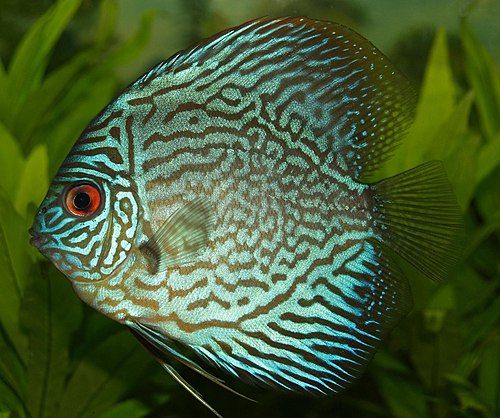
L066 King Tiger Pleco
Hypancistrus sp. 'L066'
Min Tank Size
120L
Adult Size
13 cm
Lifespan
15 years
About
Coming out of the Rio Xingu in Para state, Brazil, the L066 King Tiger Pleco is one of the more visually striking Hypancistrus species available to hobbyists. Its pattern is a tight network of fine black and white stripes that cover the entire body, often appearing more intricate and dense than its close relative the L333. Adults typically settle around 12 to 13 centimeters, making them a manageable size without being tiny.
The Xingu is a fast-moving, warm, oxygen-rich river with soft to moderately hard water, and replicating those conditions at home is genuinely important for keeping this fish healthy long-term. Strong filtration and powerheads go a long way. Temperatures should sit between 27 and 30 degrees, with the upper end preferred if you're aiming for breeding. 2 range suits them well, though they're reasonably forgiving if conditions are stable.
Diet is where a lot of people go wrong. These are carnivores. They need meaty foods like frozen bloodworms, Hikari Carnivore pellets, mussels, and shrimp. They'll pick at a piece of wood for roughage, but they won't thrive on algae wafers and spirulina.
Caves and shaded retreats are essential, not decorative. This fish lives in caves. Without them, it stays stressed and hidden under equipment.
If you want to see what a well-set-up Xingu biotope actually looks like with this species in it, browsing community tank builds from experienced Hypancistrus keepers is worth your time.
Water Parameters
Temperature
°CpH
GH
dGHKH
dKHSwimming Level
Flow Preference
Keeping multiple L066 King Tiger Pleco together
L066 King Tiger Pleco is strongly territorial. Multiples fight over space unless the tank is large enough for each to claim its own area. A single individual is the safer default.
Compatibility
L066 pairs well with small to mid-sized South American fish that occupy different water columns. Cardinal and rummy nose tetras are a classic match, as are apistogrammas provided there are enough caves for both. Avoid housing with other Hypancistrus or similarly territorial plecos unless the tank is large enough to hold multiple established territories. Dwarf cichlids can coexist but may compete over caves during spawning, so watch for escalation. Avoid fin-nipping species like tiger barbs purely because stress degrades this fish's immune response. Shrimp are risky in small tanks where the pleco can corner them, safer in heavily planted setups.
Commonly kept with
Species this one is most often paired withCommonly tried but avoid
Often paired, but shouldn't beCare Notes
The most common mistake is treating L066 like a common pleco and expecting it to clean algae. It won't, and it'll slowly waste away on vegetable-based foods. Strong water movement is non-negotiable. Stagnant or low-flow setups cause oxygen deficiency and increase disease susceptibility. Temperature drops below 25 degrees, even briefly, stress these fish noticeably. Cave count is often underestimated, provide at least two caves per fish and ideally more. New arrivals frequently hide for weeks and refuse food, which alarms beginners, but patience and offering varied meaty foods consistently will usually turn them around.
Behavior & Aggression
Most of the aggression from L066 is directed at conspecifics, especially males competing over caves. Two males in a tank without enough separate territories will fight persistently, sometimes fatally over time. They're generally unbothered by unrelated species that stay off the bottom. Aggression rarely extends to fish that don't directly compete for the same space, but they will chase and ram other plecos, including other Hypancistrus species, if territory overlaps. Adding caves in excess of the number of fish and arranging them so sightlines are broken helps significantly.
Things to Know
- Males fight over caves, provide more hides than fish
- Needs Rio Xingu-style warm temps, 28C+ for breeding
- Often mislabeled as L333 in the trade, verify before buying
- Requires meaty foods, will decline on algae-based diets alone
- Very territorial with other bottom dwellers and its own kind.
Community Sightings
No builds featuring this species yet.
Be the first to feature L066 King Tiger Pleco in your build →Discover Tanks
Explore more builds from the community.


Explore More Species
More species to discover.