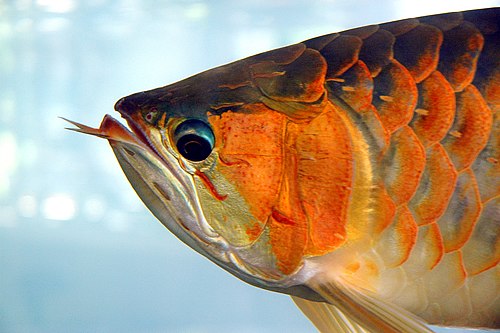
Snakehead Betta (Betta channoides)
Betta channoides

Min Tank Size
40L
Adult Size
5.5 cm
Lifespan
4 years
About
Native to the blackwater streams and peat swamps of East Kalimantan in Borneo, Betta channoides is one of those fish that makes you rethink what a betta can be. Named for its distinctly snakehead-like head profile, this small wild species tops out around 5 to 6 centimeters and carries striking red-orange coloration that intensifies in males when they're comfortable and well-fed. Unlike the familiar bubble-nesting bettas, channoides is a paternal mouthbrooder, with males incubating a small clutch of eggs in their throat pouch for one to two weeks before releasing free-swimming fry.
The water chemistry requirements are strict and non-negotiable. These fish come from some of the most extreme blackwater environments on the planet, with pH often dropping below 4.5 and hardness near zero. In captivity you're aiming for pH 4.0 to 6.5 with GH under 5 and KH as close to zero as you can manage. RO or rainwater blended with a quality blackwater extract is typically the most reliable approach. Tap water, even soft tap water, often spells long-term trouble. Temperature can sit between 24 and 28 Celsius, and flow should be minimal to none.
For food, they're carnivorous and strongly prefer live or frozen options. Daphnia, blackworms, small bloodworms, and baby brine shrimp all work well. Many individuals will eventually accept high-quality frozen foods consistently, though getting them onto dry food is hit or miss.
A heavily planted, dimly lit setup with leaf litter and driftwood suits them perfectly and encourages natural behavior. Check out real community builds featuring this species to see how hobbyists have pulled off stunning blackwater setups at nano scale.
Water Parameters
Temperature
°CpH
GH
dGHKH
dKHSwimming Level
Flow Preference
Keeping multiple Snakehead Betta (Betta channoides) together
Snakehead Betta (Betta channoides) is mildly territorial. Small groups can work in spacious tanks with broken sightlines, but expect occasional squabbles.
Compatibility
This is a fish best kept as a species-only pair or in a carefully considered blackwater community. Good tankmates need to share the same extreme water chemistry requirements and must be non-aggressive. Small rasboras like Boraras brigittae or Trigonostigma espei work well in a larger setup, as do small loaches such as Pangio species. Avoid anything nippy, fast-moving, or boisterous. Shrimp compatibility is variable since channoides will eat small shrimp like neocaridina juveniles, though larger adult shrimp are often ignored. Snails are left alone. Skip tankmates entirely in tanks under 60 liters.
Commonly kept with
Species this one is most often paired withCommonly tried but avoid
Often paired, but shouldn't beCare Notes
The most common mistake is trying to keep channoides in standard tap water. Even soft tap can be too hard and too alkaline long-term, leading to gradual decline that's easy to miss until it's too late. You need a reliable RO or rain water source and a blackwater additive. The second failure mode is disturbance during mouthbrooding. A male holding a clutch needs a stress-free environment, so avoid netting, rearranging, or tank transfers during that two-week window. Feed varied live and frozen foods for best conditioning and color. A tight lid is essential as they can and do jump.
Behavior & Aggression
Betta channoides is generally peaceful for a betta, but mild territorial behavior between males does occur, especially in smaller tanks. Two males in close quarters will display at each other and occasional skirmishes can happen, though outright fighting is less intense than in Betta splendens. The bigger concern is stress rather than injury. A brooding male becomes more reclusive and should not be chased or harassed during the mouthbrooding period, as stress can cause him to swallow or spit the clutch prematurely. Females are generally tolerant of each other and of males outside of spawning.
Things to Know
- Males hold eggs in mouth for 10-14 days, do not startle or chase during this time
- Requires very soft, acidic water, tap water is often unsuitable without RO or rainwater
- Can jump, use a tight-fitting lid with no gaps
- Keep as a pair or species-only, vulnerable to fin nipping from other fish
Community Sightings
No builds featuring this species yet.
Be the first to feature Snakehead Betta (Betta channoides) in your build →Discover Tanks
Explore more builds from the community.


Explore More Species
More species to discover.